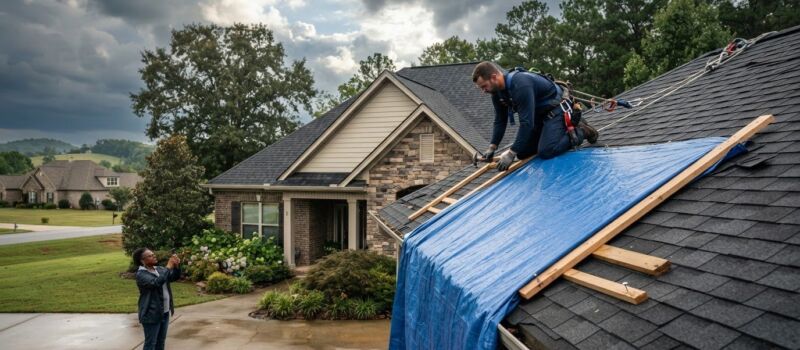
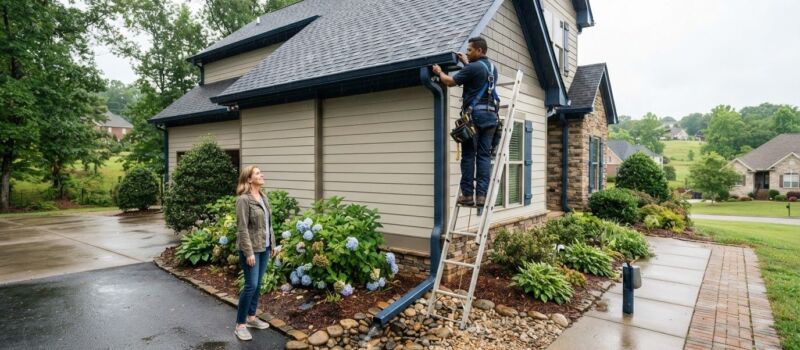
What if the biggest risk to your flower beds during roof work isn’t a falling shingle, but a plan that starts too late? If you’re wondering how to protect your landscaping during roof work, prepare before tear-off begins to reduce surprises around shrubs, lawns, garden beds, and hardscape. Roofing can send debris toward the ground, while foot traffic and equipment may affect areas around the house.
This guide explains how to prepare plants and outdoor spaces, what details to discuss with the roofing crew, and how to document the property before work starts. You’ll also find a practical routine for checking the yard after each workday, safely and without stepping into an active work area. With a little planning and consistent follow-up, you can help protect your landscape while your roof gets the attention it needs.
Key Takeaways
- Mark the plant beds, lawn edges, and outdoor features that matter most, then map clear routes for materials and crew access.
- Learn how to protect your landscaping during roof work by matching safeguards to each area and avoiding coverings that crush plants or trap excess heat.
- Move fragile or portable items away from active work zones before roofing materials and equipment arrive.
- Use a brief, safe check-in routine to spot changes without entering areas where the crew is working.
- Keep dated photos and notes together so you can compare the yard’s condition as the project progresses.
Why landscaping needs a plan before roof work begins
A roof replacement can affect more than the roofline. During tear-off, old shingles and other debris may fall around the house. Crew members need to move through the yard, and roofing materials or equipment may need a staging area. Planning landscaping protection means identifying these work zones ahead of time and deciding which plants and outdoor features need safeguards or extra space.
It’s understandable to worry about a garden or shrub you’ve cared for over the years. A thoughtful plan can reduce avoidable disturbance, but no plan can promise that every part of the yard will remain untouched. The goal is to make vulnerable areas visible, clarify access, and reduce surprises. Basic gardening principles also help explain why plants, soil, and growing space deserve consideration during nearby work.
Which parts of the yard may need extra attention?
Why timing and communication matter
A simple rule: Document the yard before work, identify sensitive areas together, and compare conditions afterward. That record won’t prevent every disturbance, but it can reduce confusion about what changed and when. These early steps make it easier to approach how to protect your landscaping during roof work with clear expectations and a practical plan.
How to prepare plants and outdoor areas before roof work
A little preparation can make the yard easier to navigate and give you a clear record of its condition. Start before roofing materials or equipment arrive, and keep the crew’s safety in mind throughout. You don’t need to handle every task yourself. Focus on documenting the landscape, moving items you can safely relocate, and making your priorities clear.
Document the yard and identify priority plants
Clear and mark areas safely
- Before materials arrive: Take dated wide and close-up photos.
- During the walkaround: Identify priority plants, existing damage, access routes, and possible staging areas.
- Before work starts: Move items that are safe to handle and mark delicate beds without obstructing the crew.
- Throughout the project: Keep your photos and notes together for later comparison.
This sequence makes how to protect your landscaping during roof work easier to manage without putting your household or the crew at risk. For residential roofing project planning, Thoughtful Roofer’s roofing team can discuss your home and its outdoor spaces with you.
What protection methods help during roof work, and what can go wrong?
No single safeguard suits every yard. The right choice depends on the plant or feature, the likely path of debris, and how the crew needs to move around the house. Coverings, temporary barriers, and moving fragile items away from active work areas can all help reduce exposure, but they can’t guarantee that every plant or outdoor feature will remain untouched.
Protective coverings and barriers: benefits and limits
A suitable covering can shield a selected bed from some falling debris when it’s placed securely and leaves enough space around the plants. Avoid laying heavy material directly on foliage or soil, where it could crush stems, compact the bed, or trap excess heat. Plants may need airflow and light, so remove coverings as soon as they’re no longer needed. Choose a covering based on the plant and work area, and avoid using one if it could create a hazard or obstruct access.
Temporary barriers can make a preferred walking route more visible and discourage accidental steps through a garden border. They should guide traffic without blocking necessary access, creating a trip hazard, or narrowing a route the crew needs to use. Moving delicate pots and small decorations outside the active work zone may be simpler than covering them.
Debris, foot traffic, and cleanup checks
Shingles and other roofing debris can scatter beyond the immediate work area. Repeated foot traffic or equipment movement may also press down lawn edges, disturb garden borders, or leave marks on softer ground. After work pauses, look over the yard from a safe place and compare what you see with your pre-work photos. Don’t enter an active work zone or reach under equipment to inspect.
A magnetic sweep may help locate metal fasteners on suitable surfaces, but it won’t collect every kind of roofing debris or show whether a plant, lawn edge, or decorative feature was disturbed. It is one possible cleanup step, not a universal requirement or a substitute for a broader visual check.

How to check your landscaping during and after the roofing project
Checking the yard as work progresses can help you notice changes while details are still fresh. Observe from a safe distance and keep communication calm and specific. Don’t walk under roof edges, approach ladders, or cross equipment paths to get a closer look. A clear photo taken from a safe location is more useful than entering an active work area.
During the project: observe without interrupting safe work
Use the check-in times agreed on with the crew to discuss access or any new concern. If you notice something between check-ins, wait until it’s safe to communicate rather than approaching workers during a task. Record the date, the area involved, and what you observed. For example, note that a garden border beside the side entrance looks disturbed rather than making a general statement that the yard was damaged.
Take photos from a safe spot and include a wider view showing the feature’s location, along with a closer image of the specific change. Compare them with your dated pre-work pictures. This helps distinguish a new observation from a condition that was already present.
After the work: inspect and document the yard
- Observe safely: Stay outside active work areas and use agreed check-in times.
- Record clearly: Note the date and location, then take photos from a safe position.
- Compare carefully: Use baseline images to check garden beds, lawn edges, paths, and outdoor features.
- Communicate directly: Share what you noticed and include relevant photos.
This routine carries the planning behind how to protect your landscaping during roof work through to the final review. For help planning residential roofing work around your home, explore residential roofing options.
Plan landscaping protection with a thoughtful roofing team
A smooth roofing project starts with a shared picture of the property. Before work begins, document the yard, identify the plants and features that matter most, agree on access routes, and plan how you’ll review the area afterward. Keep your photos and notes together as the project progresses. This gives you a clear reference point and helps keep landscaping concerns part of the conversation.
What a clear project conversation should cover
During the pre-work walkaround, point out priority plants, delicate beds, vulnerable outdoor features, and any areas you’d prefer to keep clear. Discuss where people and materials may need to move, and agree on a safe way and time to check in during the project. Specific details help everyone understand your concerns.
Keep expectations realistic. Planning can reduce the risk of avoidable disturbance, but roof work involves materials, movement, and debris, so no plan can promise that every plant or feature will be untouched. If you notice a concern, share what you observed and where, then refer to your dated photos. Clear records support a calmer, more focused discussion.
A reassuring next step for local homeowners
Thoughtful Roofer Inc. is a veteran-owned residential roofing company based in Huntsville, serving homeowners in Huntsville, Madison, Owens Cross Roads, Gurley, and Athens. Whether your project involves asphalt shingles, metal roofing, or roof repairs, preparation and open communication can help you stay informed about the work around your home. The practical steps in this guide give you a way to raise landscaping priorities and keep track of the yard from preparation through final inspection.
If you’re planning a residential roofing project in the Huntsville area, explore Thoughtful Roofer’s roofing services and include landscaping protection in your project conversation.
Protect your yard with a clear plan
Knowing how to protect your landscaping during roof work starts with preparation and continues with safe, consistent checks. Photograph the yard before work begins, point out priority plants and vulnerable features, and discuss access routes with the roofing crew. After each workday, compare conditions with your dated photos and share any specific concerns calmly.
No safeguard can promise that every part of a yard will remain untouched, but clear communication and a reliable record can help reduce confusion and support an organized project. Thoughtful Roofer Inc. is a veteran-owned residential roofing company serving Huntsville and nearby communities, with residential roofing and gutter services for local homeowners.
Planning a roofing project? Explore residential roofing services from Thoughtful Roofer and take your next step with greater confidence. A little preparation can help protect both your home and the outdoor spaces you value.
Frequently Asked Questions
How can I protect my plants during roof replacement?
Start by identifying vulnerable plants and discussing access routes and work areas before the project begins. Take dated photos, move small pots or decorations out of likely traffic paths when it’s safe, and use suitable coverings only where they won’t crush plants or trap heat. These steps can help reduce exposure, but they can’t eliminate every risk. Homeowners in Huntsville, Madison, Owens Cross Roads, Gurley, and Athens can use the same preparation checklist.
Should I cover my garden before roofers arrive?
Cover selected garden areas only if the covering can be placed securely without pressing down plants or blocking crew access. A poorly positioned cover may crush stems or trap heat, especially if it stays over plants longer than needed. In some areas, moving fragile pots or marking a bed clearly may be more practical. Discuss the garden’s location and any planned safeguards during the pre-work walkaround.
Can roof work damage landscaping?
What should I move before roof work starts?
Move portable items such as planters, outdoor furniture, hoses, and decorations away from likely access routes and staging areas when it’s safe and practical. Don’t carry heavy or awkward items through an active work zone, climb, or approach areas where overhead work is happening. Point out anything that can’t be moved during the walkaround so its location is clear as the crew plans the work area.
How do I document landscaping before roof work?
Take dated photos before materials or equipment arrive. Capture wide views of the yard and close-ups of beds, shrubs, young trees, lawn edges, patios, walkways, and existing damage or stressed plants. Photograph each area from more than one angle when useful, and keep the images together. Add brief notes identifying the location and condition of anything you want to monitor. This gives you a baseline for later comparison.
What should I do if I notice landscaping damage after roofing?
Does a magnetic sweep protect my garden from roofing debris?
A magnetic sweep may help locate metal fasteners on suitable surfaces, but it doesn’t collect every kind of roofing debris or assess the condition of plants, lawn edges, and garden borders. It’s one possible cleanup step, not a full yard inspection or a universal practice. After work pauses and the area is confirmed safe, visually check the property and compare it with your dated photos.