Did you know that in 2025 alone, the National Centers for Environmental Information recorded 184 separate hail events across Alabama? For a Huntsville homeowner, these storms are more than just a loud nuisance. They’re a direct threat to your home’s structure, often leaving behind subtle signs of hail damage on roof shingles that go unnoticed until a major leak occurs. It’s natural to feel stressed when severe weather hits, especially when you’re worried about hidden mold or the confusing maze of insurance paperwork.
We understand that your home is your sanctuary, and we’re here to act as a stabilizing force during the recovery process. You don’t have to face the aftermath of a storm alone or worry about high-pressure contractors. This guide will empower you to identify damage with confidence, whether it’s obvious bruising on asphalt or dented gutters. We’ll walk you through the 2026 Alabama insurance timelines and explain how a professional inspection can prevent long-term structural issues. By the end, you’ll have a clear plan for a safe inspection and understand how Thoughtful Roofer Inc.’s proprietary, meticulous workflow provides the administrative advocacy you need to protect your household.
Key Takeaways
- Understand why standard ground-level checks often miss “sneaky” structural bruising and learn the critical difference between cosmetic and functional damage.
- Master the specific visual cues of impact, such as random circular bruising and granule loss, to accurately identify signs of hail damage on roof materials.
- Discover how to use “soft metals” like vents, flashing, and gutters as essential proxies to help build a documented case for your insurance claim.
- Learn how to conduct a safe, ladder-free assessment using the Binocular Method to survey your home’s ridge and slopes from the safety of the ground.
- Navigate the complex North Alabama insurance landscape with confidence by leveraging administrative advocacy and a proprietary, meticulous restoration workflow.
Why Hail Damage on Your Roof Is Often Invisible from the Ground
Have you ever stood in your driveway after a storm, looked up at your shingles, and thought everything looked perfectly fine? It’s a common experience for Huntsville homeowners, but appearances can be incredibly deceiving. Understanding what is hail and how it interacts with roofing materials is the first step in protecting your home. While a fallen branch is easy to spot, the most destructive signs of hail damage on roof surfaces are often microscopic at first. This sneaky damage bypasses even 20/20 vision because it happens at a structural level rather than a purely visual one.
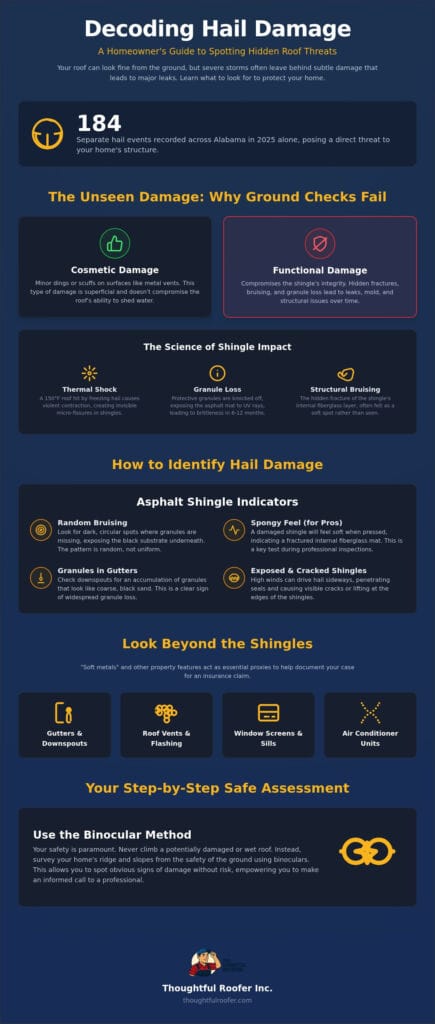
Insurance adjusters categorize storm impacts into two buckets: cosmetic and functional. Cosmetic damage might include small dings on a metal vent that don’t affect its performance. Functional damage means the shingle’s water-shedding integrity is compromised. In North Alabama, our climate creates a specific threat known as thermal shock. During a typical July afternoon, your roof can reach temperatures exceeding 150 degrees. When freezing hailstones strike that scorching surface, the shingles undergo a violent, rapid contraction. This stress creates micro-fissures that aren’t visible from the driveway but will inevitably lead to leaks. Waiting for a brown spot to appear on your ceiling is the most expensive mistake a homeowner can make. By the time water reaches your drywall, the plywood decking and attic insulation have likely already suffered significant moisture damage.
The Science of Shingle Impact
Hailstones act like small hammers, displacing the protective stone granules that shield your roof from the elements. This displacement exposes the dark, oil-based asphalt mat underneath, leaving it vulnerable to the weather. Bruising is the hidden fracture of the shingle’s internal fiberglass layer, often felt as a soft spot rather than seen with the naked eye. The impact angle also matters. High wind speeds in the Tennessee Valley, which can reach 130+ MPH, drive hail sideways. This allows ice to strike the edges of shingles and penetrate the seals, causing damage that a vertical drop wouldn’t normally produce.
The Long-Term Risks of Ignoring ‘Minor’ Dents
Once those protective granules are gone, UV degradation begins immediately. The intense Alabama sun bakes the exposed asphalt, causing it to become brittle and lose its flexibility over a period of 6 to 12 months. This slow deterioration is why many homeowners don’t notice a problem until the first major rainstorm of the following season arrives. Another concern is that unaddressed signs of hail damage on roof shingles can void your manufacturer’s warranty. If you try to file a claim later for a factory defect, the manufacturer may deny it because the underlying storm damage was never professionally restored. Our proprietary workflow ensures these hidden issues are documented early, acting as a stabilizing force for your home’s longevity.
Identifying Signs of Hail Damage on Asphalt Shingles and Metal Roofs
How do you tell the difference between a roof that’s simply showing its age and one that’s been compromised by a storm? Identifying the specific signs of hail damage on roof surfaces requires a keen eye for patterns. While a storm might feel uniform while you’re huddled inside, the impact on your shingles is often chaotic. Asphalt shingles and metal panels react differently to ice, and knowing what to look for can prevent a minor issue from becoming a structural failure. Our team acts as a stabilizing force by helping you categorize these impacts accurately before you contact your insurance provider.
Asphalt Shingle Indicators: Bruising and Cracking
One of the most reliable indicators of a strike is the presence of dark, circular spots where the protective granules have been knocked away. According to the National Weather Service, hail damage to homes can vary significantly based on the density and size of the stones. On asphalt, you’ll see exposed black substrate that looks like a bruise. These marks are often random rather than uniform. Professionals often perform a “touch test” by gently pressing on these dark areas; a damaged shingle will feel soft or spongy, indicating the internal fiberglass mat has fractured. You should also check your downspouts. If you find piles of granules that look like coarse sand in your gutters, your shingles have lost their primary line of defense against the sun.
Metal Roofing: Dents and Protective Coating Failure
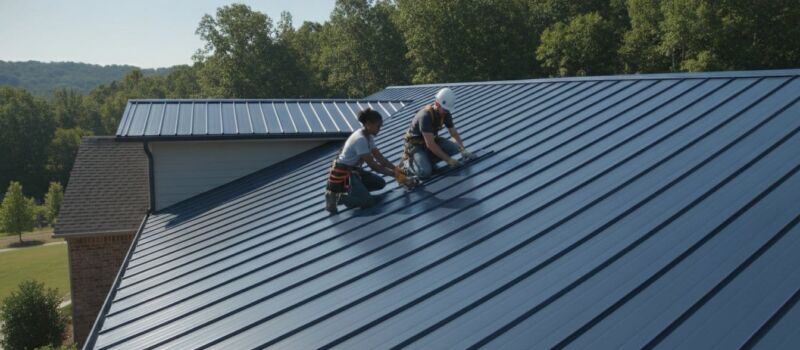
Metal roofing is prized for its durability in the Tennessee Valley, but it isn’t invincible. Large hail creates “pockmarks” or divots that are especially visible when the sun hits the roof at a low angle. The real danger isn’t always the dent itself, but the potential for the protective coating to chip or crack. In our humid Alabama climate, these tiny chips expose the raw metal to oxygen, which leads to premature rust and corrosion. During our proprietary inspection process, we also check for loosened fasteners and compromised seams. High-wind hailstorms can rattle these components, breaking the water-tight seals that keep your attic dry.
Age plays a massive role in how your home handles a storm. Older shingles lose their natural oils and become brittle over time, making them much more likely to crack under pressure than a newer, flexible roof. If your roof is more than ten years old, even a moderate storm can cause significant functional damage. If you’re unsure whether those marks are just age or actual storm-related issues, a professional inspection can provide the clarity you need to move forward with confidence and peace of mind.
Beyond the Shingles: Spotting Collateral Damage on Your Property
Why does a professional roof inspector start their survey by looking at your air conditioner or your window screens? It’s because these items are often made of soft metals that react to impact much more clearly than a rugged asphalt shingle. In the world of insurance restoration, these indicators are known as collateral damage. They serve as a vital proxy, proving that hail of a certain size and velocity actually struck your property. When we document these external signs of hail damage on roof accessories and surrounding structures, we’re building a fact-based narrative that supports your claim and ensures your home’s safety.
Inspecting Soft Metals: Vents, Valleys, and Flashing
Insurance adjusters almost always head for the vents first. Aluminum ridge vents and “turtle” vents are incredibly sensitive; even a mid-sized stone will leave a clear, round indentation. If the metal valleys of your roof show multiple dings, it’s a mathematical certainty that the surrounding shingles took the same force. Soft metal damage is often the “smoking gun” for insurance approval because it provides undeniable physical proof of the storm’s intensity. Learning how to identify hail damage across these various surfaces helps you understand the true scope of the weather event.
Gutters and Siding: The Perimeter Check
Your home’s perimeter offers several more clues. For those with seamless gutters, look for “dips” along the top edge or small dents on the bottom of the trough. These impacts can eventually cause water to pool, leading to rust or wood rot on your fascia boards. In North Alabama, we see a mix of siding materials. Vinyl siding might show starburst-shaped cracks, while aluminum siding will display more traditional dings. Don’t forget to check your wooden fence. A powerful hailstorm will often blast away the outer layer of oxidation or stain, leaving “clean spots” that perfectly match the size of the hailstones.
Finally, take a close look at your HVAC unit. The thin aluminum fins on the condenser are extremely delicate. If they look flattened or “combed” in certain areas, you’re looking at a “canary in the coal mine” for hail size. This kind of damage doesn’t just support your roof claim; it also warns you that your cooling system’s efficiency might be compromised. As a veteran-owned partner, we look at these details with intentionality to ensure your entire home remains a safe, secure environment for your family. By spotting these signs of hail damage on roof components and property accessories early, you can act as a stabilizing force for your home’s long-term value.
Your Step-by-Step Guide to a Safe Post-Storm Roof Assessment
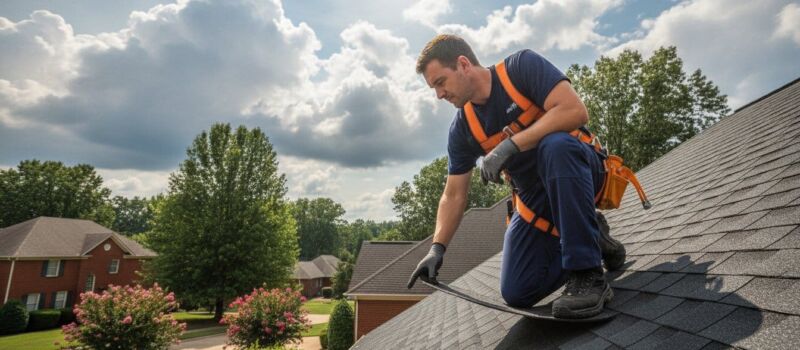
After a severe Tennessee Valley storm, your first instinct might be to grab a ladder and climb up for a closer look. We strongly advise against this. Roof surfaces are often slippery after rain, and storm-weakened shingles can be unstable. As your local protective mentor, our goal is to keep you safe on the ground while still helping you identify the signs of hail damage on roof structures. You can conduct a thorough preliminary survey using the Binocular Method. By standing back in your yard or across the street, you can spot missing shingles, damaged ridge caps, or large “bruises” on the slopes without ever leaving the grass.
Ground-Level Inspection Checklist
- Step 1: Walk the perimeter. Look for physical debris like shingle tabs or heavy piles of granules at the base of your downspouts. These are clear indicators that the storm’s force was significant enough to cause material loss.
- Step 2: Check window screens and frames. Look for tiny tears in the mesh or small indentations in the metal frames. If the hail was strong enough to dent your window casing, it likely impacted your roof with similar force.
- Step 3: Inspect outdoor furniture and AC units. Plastic patio chairs and the thin metal fins of your air conditioner are excellent indicators of hail size and impact density.
The Documentation Phase
Organization is a stabilizing force when dealing with insurance companies. Start by creating a dedicated “storm folder” on your computer or phone. Take clear photos of any hail you find, placing a common object like a quarter or a golf ball next to the ice for scale. You should also save local weather alerts or news clips from the date of the event. Having a documented “date of loss” is critical for the administrative advocacy we provide during the claims process. This evidence helps establish a timeline that adjusters find difficult to dispute.
While a DIY check is a great first step, it doesn’t replace the detail of a professional roof inspection. Our proprietary meticulous workflow uncovers the hidden issues that ground-level surveys simply cannot catch. If you’ve found any of the indicators mentioned above, you should schedule a comprehensive storm damage assessment to ensure your home’s structural integrity remains intact and your family stays protected.
The Thoughtful Approach: Restoration and Insurance Claim Management
Dealing with a complex insurance claim is often more stressful than the storm itself. In North Alabama, homeowners frequently find themselves caught between a confusing policy and an adjuster who might miss subtle indicators. We position ourselves as a stabilizing force, providing the clarity and support you need to navigate this administrative maze. Our veteran-owned team understands that restoration isn’t just about shingles; it’s about restoring your peace of mind by identifying all signs of hail damage on roof structures before the filing deadline passes.
Our Administrative Advocacy Process
Our administrative advocacy process is designed to level the playing field for the homeowner. We don’t just hand you an estimate and walk away. Instead, we meet the insurance adjuster on-site to walk the property together. We point out the specific signs of hail damage on roof surfaces that we’ve already documented, ensuring every hit is counted toward your claim. We speak the language of the insurance industry, translating complex insurance jargon into clear, actionable steps so you always know where your project stands. This detailed documentation is a signature of our proprietary meticulous workflow, ensuring your storm restoration claim is handled with intentionality and care.
Why a Veteran-Owned Local Roofer Makes the Difference
Huntsville and Madison families deserve a partner who will be here long after the storm clouds have cleared. While “storm chasers” often flood the Tennessee Valley after a hail event, they frequently lack the local expertise and accountability required for high-quality storm damage roof repair. As a veteran-owned business, we operate with core values of integrity and transparency. We treat every home as if it were our own, focusing on the longevity of the structure rather than a quick sale. Our “Thoughtful” name isn’t just a label; it’s a promise of the meticulous detail we bring to every job. When you work with a neighbor, you gain a guide who understands our regional climate and building codes. Schedule your thoughtful roof inspection today to experience a restoration process built on trust and community care.
Securing Your Home’s Future After the Storm
Identifying the signs of hail damage on roof surfaces is the first step toward reclaiming your peace of mind after a severe North Alabama storm. By looking beyond the shingles to collateral damage on vents, gutters, and AC units, you can build a stronger, evidence-based case for your restoration. Remember that hidden bruising today inevitably becomes a costly leak tomorrow if left unaddressed. You don’t have to navigate the complex insurance landscape or the stress of recovery alone.
As a veteran-owned and operated team serving Huntsville, Madison, and the Tennessee Valley, we’re here to act as your stabilizing force and protective mentor. We specialize in insurance claim management to ensure your home receives the meticulous care it deserves through our proprietary workflow. Taking action now protects your family and your investment from long-term structural issues like mold or wood rot. We’re committed to the safety of our community and the longevity of every structure we touch. Request Your Thoughtful Storm Damage Inspection today to ensure your home is ready for whatever the next season brings.
Frequently Asked Questions
How much hail is needed to damage a roof?
Hailstones approximately one inch in diameter, or quarter-sized, are usually the threshold for structural damage. However, smaller ice stones can still compromise your home if they are driven by the 130+ MPH winds common in the Tennessee Valley. The angle of impact and the age of your shingles play major roles in how well your roof survives a storm.
Can I file an insurance claim for hail damage two years later?
Most Alabama homeowner insurance policies require you to file a claim within one year of the storm date. If you wait two years, your insurer will likely deny the claim because the damage is no longer considered sudden and accidental. It is critical to check your specific policy language or consult with a professional who understands the local regulatory landscape.
Does one hailstorm mean I need a full roof replacement?
One storm doesn’t automatically mean you need a total replacement. We categorize damage as either cosmetic or functional. If the hail only dented a few vents, a targeted repair might be the most stabilizing solution. However, if the impact density exceeds a certain threshold per 100 square feet, a full replacement is often necessary to ensure the long-term safety of your household.
Will my insurance rates go up if I file a hail damage claim?
Filing a hail claim typically won’t cause your individual rates to spike because weather events are considered Acts of God beyond your control. Insurance companies are generally prohibited from raising rates for a single no-fault claim. However, premiums across your entire zip code might increase if a major storm causes widespread damage throughout Huntsville or Madison.
What happens if I ignore hail damage on my asphalt shingles?
Ignoring the signs of hail damage on roof shingles allows UV rays to bake the exposed asphalt mat, making the material brittle and prone to cracking. This deterioration eventually leads to interior leaks and mold growth. Unaddressed damage also provides a reason for manufacturers to void your shingle warranty, leaving you responsible for all future repair costs.
How do I choose between a repair and a replacement after a storm?
This choice depends on the extent of the damage and the current age of your materials. If your roof is nearing the end of its lifespan or has more than two layers of shingles, Alabama building codes often require a full tear-off. We use a proprietary meticulous workflow to evaluate whether a repair can truly restore your roof’s water-shedding capabilities or if replacement is the only safe path.
Is hail damage covered under my standard homeowners insurance policy?
Standard homeowners policies in Alabama do cover hail, but you should be aware of your specific deductible. Many local policies have a separate wind and hail deductible that is a percentage of your home’s value rather than a flat dollar amount. Understanding these financial details early helps you navigate the claim process with much more confidence and less stress.
What should I do if the insurance adjuster denies my hail claim?
Don’t panic if your initial claim is denied. You have the right to request a second inspection or a different adjuster. We provide administrative advocacy by attending these re-inspections with you. Our team ensures that every subtle indicator of structural compromise is documented, helping you prove the signs of hail damage on roof surfaces were not just cosmetic.